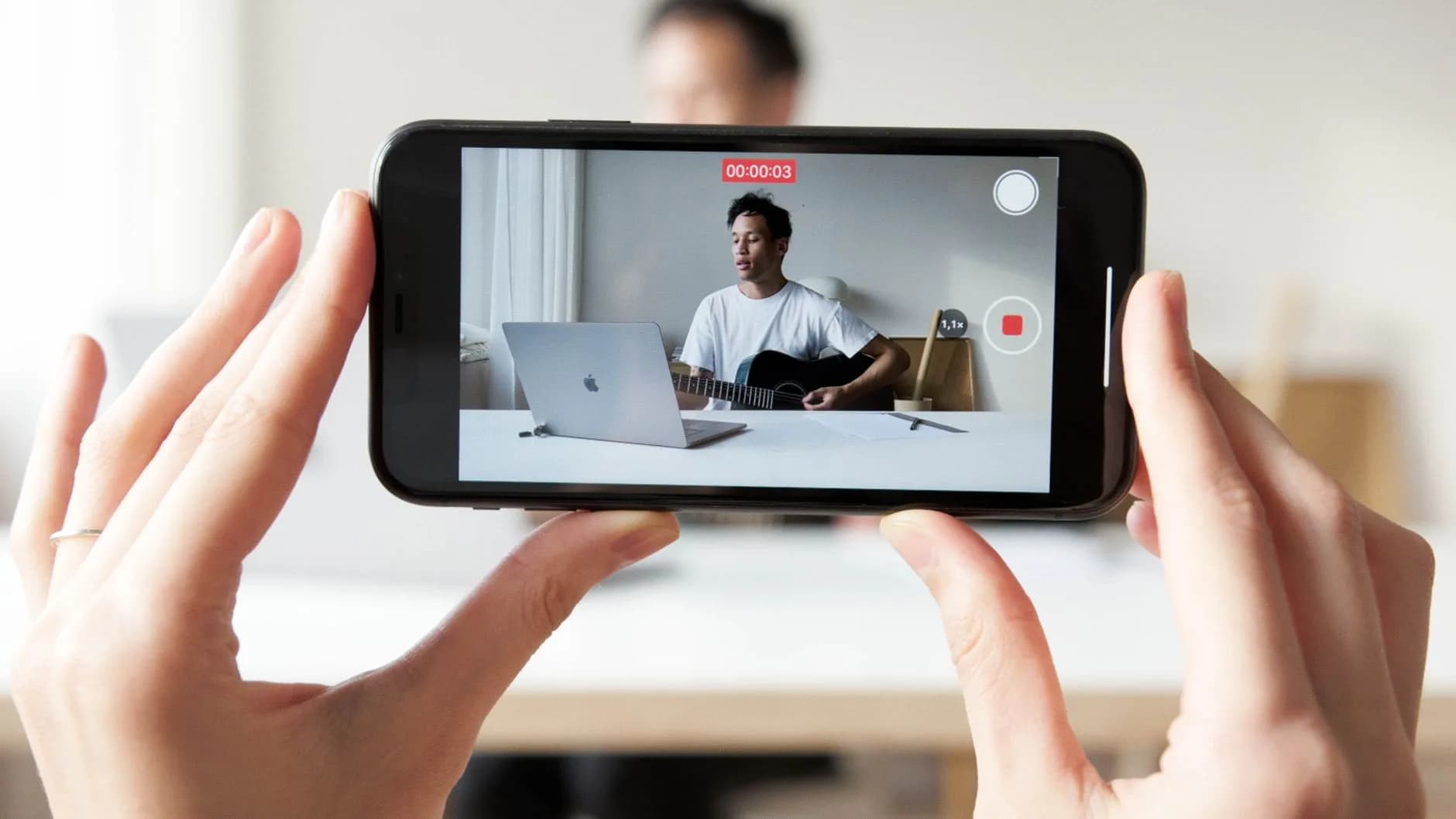

ReelUp vs Videowise (2027): Pricing, Widgets, Speed
ReelUp and Videowise both put shoppable video on a Shopify store, but they are built for different stores. This comparison covers how each structures its plans, which widgets each offers, how each approaches page speed, and which kind of store each suits, with a free-plan alternative for stores that want to start without a subscription.

On this page
Key takeaways
- ReelUp is a Shopify-first app built around importing Reels and TikToks into carousels, stories and floating widgets, with usage-tiered plans.
- Videowise is a broader video commerce platform with interactive and quiz-style video, page building and enterprise features, priced for larger stores.
- Both price by usage, tiered by video views or orders, so the right comparison is your own traffic against each listing's current tiers, not a headline number.
- Speed claims are easy to make and easy to test. Run PageSpeed Insights on the same page before and after installing each, and keep the one that moves it least.
ReelUp and Videowise solve the same problem for different stores. ReelUp is a Shopify-first app for importing Reels and TikToks into shoppable widgets, priced in usage tiers that start low. Videowise is a wider video commerce platform with interactive video, quizzes and page-building tools, priced for stores with the traffic and team to use them. If you have a small to mid-size store and mostly want social video on product and collection pages, ReelUp is the closer fit. If you run a large catalogue with a marketing team and want video as a conversion system across the site, Videowise is built for that.
Both price by usage, so the cheapest one depends on your traffic. And both make speed claims that only a test on your own theme can settle. This comparison covers plan structure, widget types, the speed approach each takes and which stores each suits, without quoting figures that will be out of date by the time you read them. It also covers SwipeReel as the free-plan option for stores that want to start without a subscription.
For head-to-head comparisons of the other apps in this space, the Videowise vs Tolstoy and SwipeReel vs Tolstoy articles follow the same format.
Who each app is built for
The clearest way to separate the two is the store each one assumes you run.
ReelUp assumes a Shopify store that already posts on Instagram or TikTok and wants that content working on the storefront. Its feature set is organised around import, widgets and product tagging. Setup is meant to take minutes from the theme editor, and the plans scale with how much the widgets are used.
Videowise assumes a store where video is a conversion channel worth investing in, not a content reuse exercise. Alongside standard widgets it offers interactive video formats such as shoppable quizzes and choose-your-path video, landing pages built around video, and integrations that larger stores expect. The pricing reflects that, with tiers that make sense at higher order volumes.
Neither assumption is wrong. A store with three staff and two thousand sessions a month and a store with a marketing team and two hundred thousand sessions need different tools, and each app is honest about which one it is.
Plan structure
Both apps use tiered plans based on usage rather than a single flat fee. The usage measure is video views or orders, depending on the tier and the app, and the tiers, the caps and the prices change. The current numbers are on each app's Shopify App Store listing: ReelUp on the App Store and Videowise on the App Store. Read them on the day you decide, not from a comparison article.
What is stable enough to compare is the shape of the plans.
- Entry tier. ReelUp has a low entry point suited to stores testing the format. Videowise's entry tier sits higher, reflecting its target store size.
- What triggers the next tier. Usage caps on views or orders. A store that grows its traffic will move up the tiers on both, so estimate where you will be in six months, not where you are today.
- Feature gating. On both, some widgets, branding removal and advanced analytics sit on higher tiers. Check that the specific widget you want is on the tier you can afford.
- Trial. Both offer a way to try before paying. Use it on a duplicate theme, as the speed section below describes.
How to read usage-tiered pricing
Take your last three months of sessions from Shopify analytics, estimate what share will see a video widget (a home page carousel is seen by most sessions, a product page widget by fewer), and compare that to each listing's view cap per tier. The tier you land in, not the entry price, is your monthly cost. Do the same calculation for six months out at your growth rate. The app that looks cheaper at the entry tier is not always cheaper at the tier you will actually use.
Widget types
Both apps cover the core placements a Shopify store needs. The differences are at the edges.
Widget and layout coverage, in general terms
| Placement or format | ReelUp | Videowise | SwipeReel |
|---|---|---|---|
| Carousel of video thumbnails | Yes | Yes | Yes (carousel layout) |
| Stories-style bubbles | Yes | Yes | Yes (Stories widget) |
| Floating or overlay player | Yes | Yes | Yes (Overlay widget) |
| Inline player on product pages | Yes | Yes | Yes (Inline widget) |
| Grid of videos | Yes | Yes | Yes (grid layout) |
| Stacked feed | Varies by version | Varies by version | Yes (Stacked widget) |
| Interactive, quiz or branching video | Not a focus | Yes | No |
| Video landing page builder | Not a focus | Yes | No |
| Import from Instagram Reels and TikTok | Yes | Yes | Yes |
| Product tags per video | Plan dependent | Plan dependent | Free: 1 per video, Pro: unlimited |
The rows marked "varies" and "plan dependent" are deliberate. Widget names and availability change between releases, and both listings are the authority. The pattern that holds is that ReelUp and SwipeReel cover the standard set of social video placements, and Videowise adds interactive formats on top.
If your plan is to put Reels on product pages, a Stories bar on the home page and a carousel on collections, all three cover it. If your plan involves a quiz that recommends a product at the end of a video, only Videowise is built for that, and it is worth the higher tier if that format is central to how you sell.
For placement ideas across all of these widget types, the shoppable video examples collection shows each format on live stores.
Speed approach
Every video app claims not to slow your store. The claims are easy to make because the techniques are standard: lazy loading the widget script, serving video from a CDN, loading poster images first and fetching video only for what is in view. ReelUp and Videowise both describe this kind of approach. SwipeReel's widgets are lazy-loaded so they do not block page render, and are theme app extension blocks, which means no script is injected into the theme's head.
What the claims cannot tell you is the effect on your theme, with your other apps, on your busiest page. That you have to measure, and it takes an afternoon.
- Duplicate your live theme in Online Store > Themes.
- Run PageSpeed Insights on the mobile version of your home page and one product page. Record LCP, CLS, INP and total transfer size.
- Install the first app, add its widget to the same two pages on the duplicate theme, and preview the theme.
- Run PageSpeed Insights on the preview URLs. Record the same numbers.
- Remove the app, or at least its blocks and any app embed, and repeat for the second app.
- Compare. The one that moves the numbers least, at the widget configuration you actually want, is faster for you.
Watch for two things in particular. An app embed that loads on every page, including pages with no widget, is a cost you pay everywhere. And a widget that preloads its whole feed on page load shows up as a burst of media requests in the Network tab before you scroll; that setting should be off.
The bounce rate and video guide covers which Core Web Vitals video affects and which it does not, if you want to interpret the numbers rather than just compare them.
Video sourcing and management
Both apps let you bring in social video and upload files. The details that matter day to day:
Import. Direct connection to an Instagram or TikTok account, so new posts can be pulled in without downloading and re-uploading, saves the most time for stores that post often. Check each listing for how the connection works and whether it is on your tier.
Upload limits. File size and duration caps differ by plan. For reference, SwipeReel's Free plan allows 100MB uploads and Pro allows 500MB; Shopify's own hosted video accepts up to 1 GB and 10 minutes. Vertical clips from a phone are usually well under any of these.
Bulk operations. Uploading and tagging twenty clips one at a time is the kind of chore that stops a video programme. Bulk upload and feed-level management are worth checking for, on both apps and at the tier you are considering.
Live video caps. Some plans cap how many videos can be live on the storefront at once, separately from how many you can upload. SwipeReel's Free plan, for example, allows 25 uploads with 5 live; Pro puts every video live. Know which cap applies to you before building a thirty-video feed.
The UGC video guide covers collecting customer content and the permissions needed, which applies to any of the three apps.
Analytics and attribution
Both apps report engagement and sales attribution for video. The question to ask each is the same: per video, or per feed only, and under what attribution rule.
Per-video reporting is what lets you rotate out clips that get views but no product clicks. Per-feed totals hide that. And the attribution rule, whether a sale is credited on add-to-cart from the video or on any order after a view, decides whether the revenue figure is a decision tool or a marketing number. Read each app's documentation for its rule before comparing revenue figures between them.
SwipeReel reports views, add-to-carts and attributed revenue per video. Videowise, given its positioning, offers deeper analytics on higher tiers, including for its interactive formats. ReelUp reports at the level most Shopify stores need. If analytics depth is your deciding factor, trial each and open the dashboard after a week of real traffic.
Fit: which store should pick which
Pick ReelUp if you post on Instagram or TikTok, want that content on product and collection pages fast, have modest traffic, and want a plan that starts low and grows with use. The ReelUp alternative article covers what to check if you outgrow it or want to compare before committing.
Pick Videowise if video is a primary conversion channel, you want interactive or quiz formats, you have a team to build video-led landing pages, and your order volume puts you in a tier where the cost makes sense. The Videowise alternative article covers the stores for which it is more platform than they need.
Pick a free-plan alternative if you want to test whether shoppable video moves your numbers before paying for anything. SwipeReel's Free plan covers 25 uploads, unlimited views, unlimited feeds, bulk uploads and 5 live videos, with the four widgets, product tagging and per-video analytics included. Pro adds unlimited uploads and live videos, 500MB files, no SwipeReel branding, custom CSS and priority support. The free shoppable video apps roundup compares it against the other no-cost options.
Decide in an afternoon
- Pull three months of sessions and estimate the share that will see a widget
- Read both App Store listings today and note the tier you would land in now and in six months
- List the widgets you actually plan to place, and confirm each is on that tier
- Duplicate the theme and run PageSpeed Insights before installing anything
- Install one app, place the widgets, measure, remove, then repeat for the other
- Check per-video analytics and the attribution rule in each dashboard
- Confirm Instagram or TikTok import works on your tier
- Confirm the free alternative does not already cover your use case
The honest summary
ReelUp and Videowise are not really competing for the same store. ReelUp is the practical choice for a Shopify store that wants social video on its pages with the least fuss. Videowise is the platform choice for a store that treats video as infrastructure. Both charge by usage, so the true cost is the tier your traffic lands in, and both claim speed that only your own test can confirm.
If you are not yet sure video will pay for itself on your store, the sensible path is a free plan first. Put five reels live on your best-selling product pages, watch the per-video numbers for a month, and choose a paid tool, if you need one, knowing what the format does for your store rather than what a listing says it should.
Frequently asked questions
- Is ReelUp or Videowise cheaper?
- It depends on your traffic and which tier you land in. Both use tiered plans based on usage such as video views or orders, and the tiers change.
- Which is better for a small Shopify store?
- A store with modest traffic and a catalogue under a few hundred products usually gets what it needs from a simpler app with a free or low tier, whether ReelUp or a free-plan alternative such as SwipeReel.
- Do ReelUp and Videowise both import from Instagram and TikTok?
- Both support bringing social video into the store; the exact import methods and account connections differ and change over time.
- Which one is faster?
- Neither has a fixed answer. Both describe lazy loading and CDN delivery.
- Can I try both before choosing?
- Yes. Both are on the Shopify App Store with trials or entry tiers.
- Is there a free alternative to ReelUp and Videowise?
- SwipeReel has a free plan with 25 video uploads, unlimited views, unlimited feeds, bulk uploads and 5 videos live on the storefront, with product tagging and per-video analytics.
- Does switching apps lose my videos and tags?
- The video files can be re-uploaded or re-imported, but product tags, feeds and analytics history are stored per app and do not transfer.